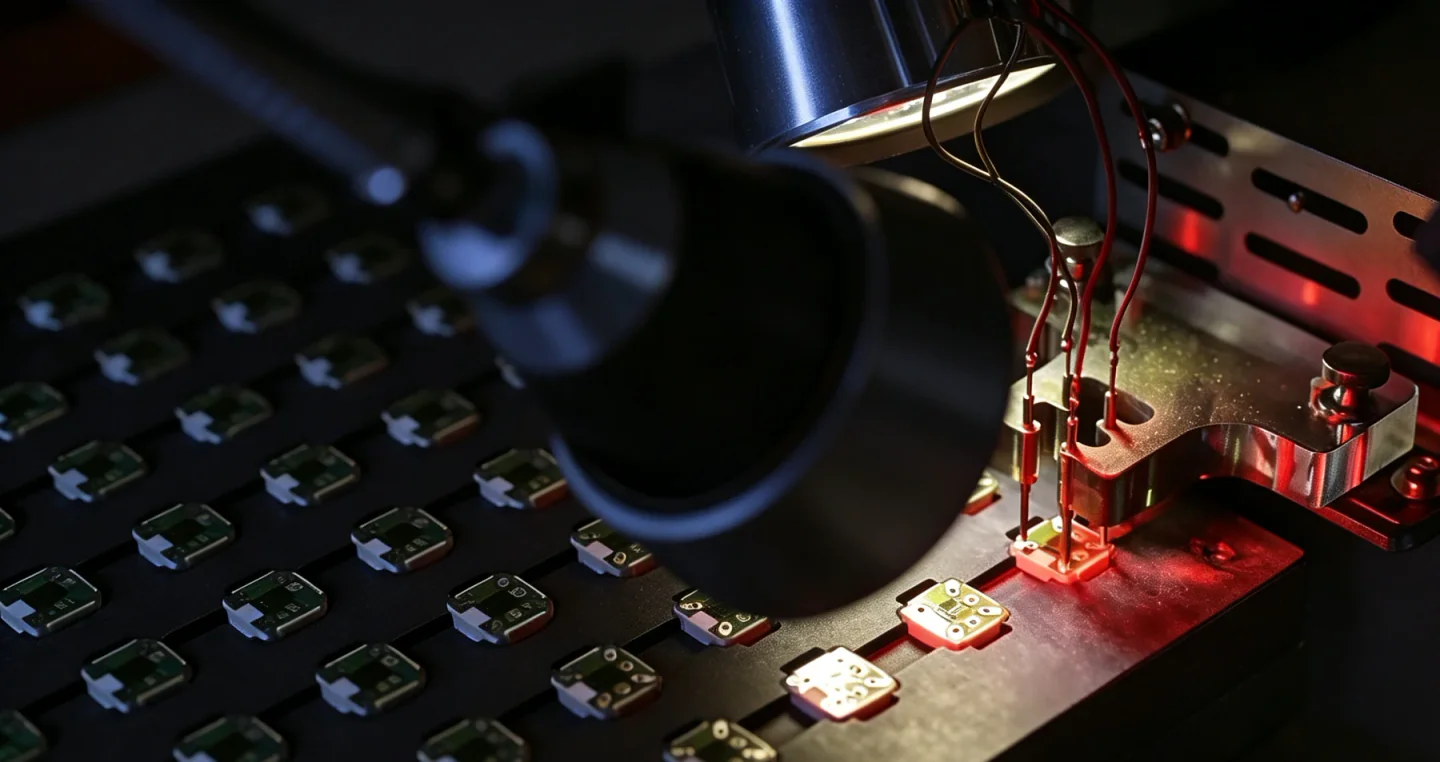
Sensor Applications in Smart Home Systems
Sensing systems in appliances and compact equipment need a verifiable link between temperature-humidity, temperature, pressure, and controller interfaces. YUFAVOR can support OEM engineering reviews around the measurement task, installation envelope, signal connection, and repeatable production.
System Requirements and Measurement Tasks
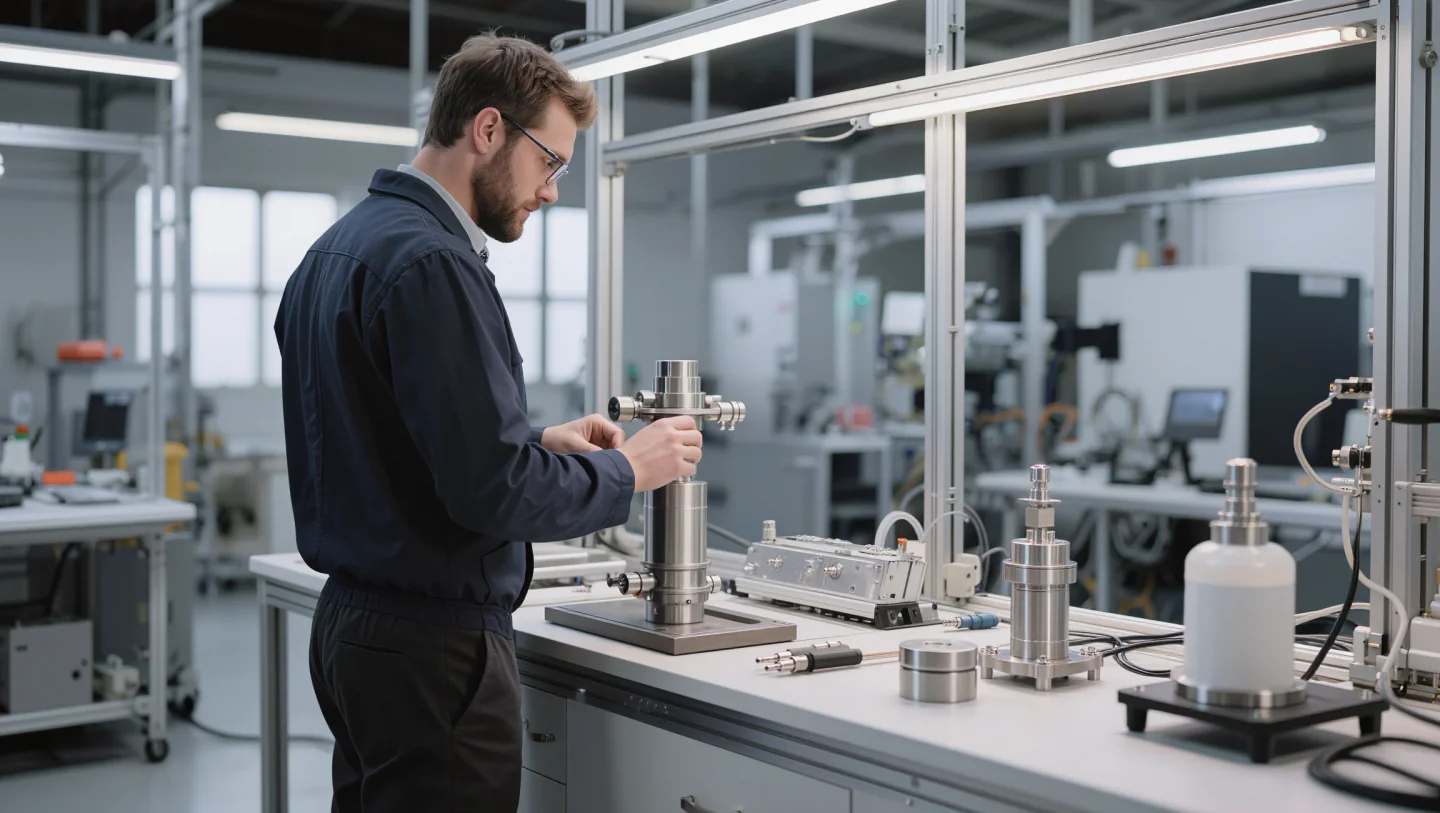
Sensors in appliances, water equipment, and compact control units commonly support temperature regulation, environmental monitoring, pressure protection, or state feedback. An OEM review should define the measurement object, normal and abnormal range, response time, installation envelope, wetted or contacted materials, power, and controller input before discussing model and sample selection.
Signal Connection and Functional Logic
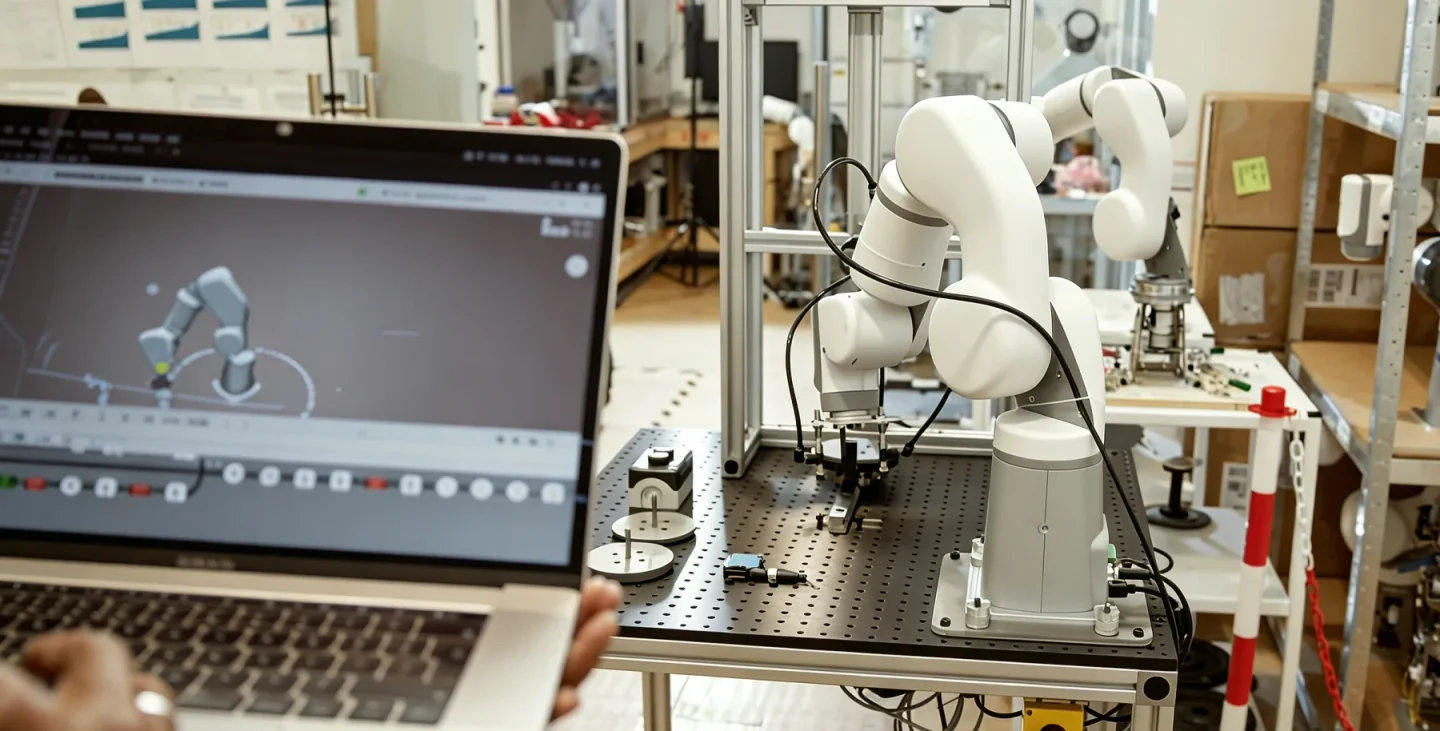
After signals enter a controller or gateway, they may support start-stop logic, alarms, protection, and remote visibility. Record signal range, output type, harness length, connector, grounding, sampling interval, and fault feedback in the interface table, then define the fallback action for a sensor fault in the system state machine.
- Temperature and humidity: support environmental-state and comfort or equipment-protection logic.
- Temperature: support water, air, or component-rise monitoring.
- Pressure control: support pump, air-path, or water-path protection and state decisions.
Product Fit and OEM Boundaries
The H100 temperature and humidity sensor can be an environmental-state measurement candidate. The T20 temperature sensor can be evaluated for water, air, or component temperature. The P520 smart pressure controller can be considered for pressure monitoring and control in pumps, compressors, or automation lines. All three require checks for range, mounting, output, power, medium, controller interface, and system testing; a product name does not replace OEM validation.
- Sample stage: confirm mechanical envelope, interface, harness, and mounting tolerance.
- System stage: validate start, stop, alarm, disconnection, and fault-recovery logic.
- Production stage: confirm calibration, traceability, incoming inspection, and batch consistency.
Validation and Delivery Records
Sample validation should cover representative operating conditions, temperature-humidity cycles, power variation, vibration or assembly stress, and controller handling of invalid signals. Delivery records should retain interface definitions, test conditions, calibration or inspection records, revision history, and batch-release criteria. Custom packaging or harness work needs separate confirmation by the OEM project team.
For the next OEM review step, compare the YUFAVOR product center, review the OEM engineering path, check the product manuals, and contact engineering with the interface table and test conditions.