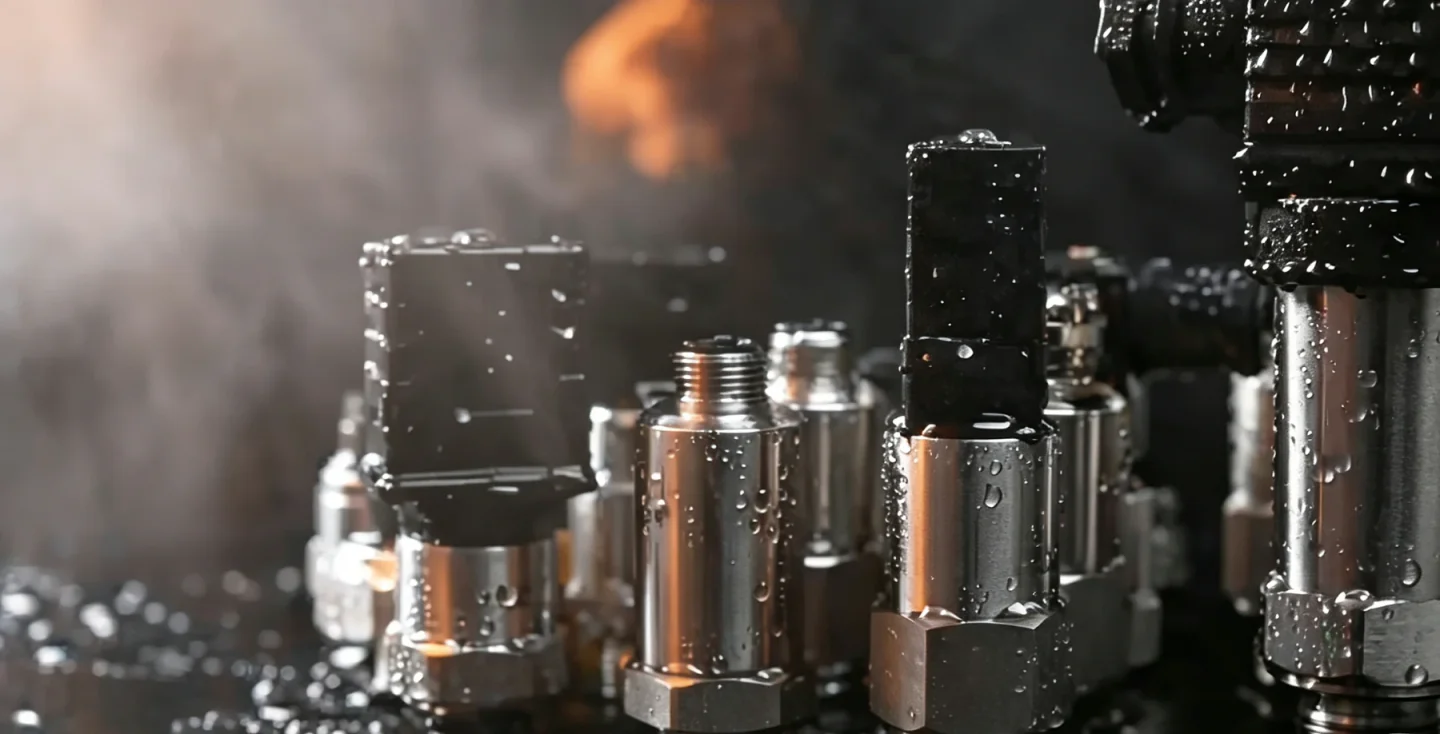
Pressure Sensors in RO Water Purifiers
RO purifiers use pump pressure to drive water through membranes. Pressure sensors monitor inlet, post-pump, pre-membrane, and tank stages so the system can judge filter status, pump protection, and operating stability.
Application Overview
Reverse-osmosis systems include pre-filters, booster pumps, RO membranes, valves, flow sensing, and storage components. Pressure variation affects production efficiency, wastewater ratio, membrane life, and user outlet experience.
Engineering / Measurement Challenge
Inlet pressure shows supply conditions. Post-pump pressure indicates boosting status. Pre-membrane pressure helps analyze filter and membrane load. Tank pressure supports full-water, low-water, and start-stop logic.
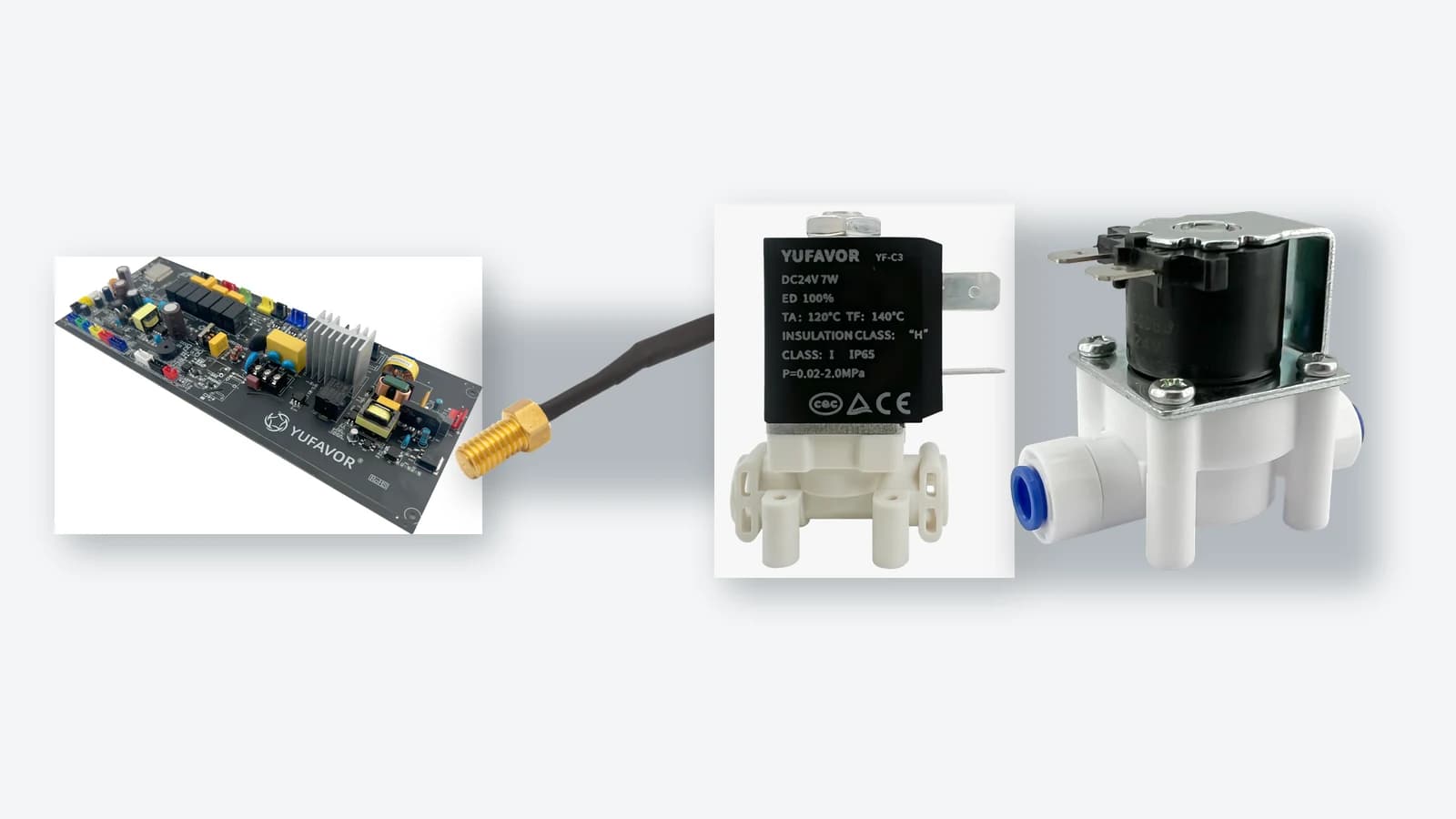
- Low-pressure protection reduces pump dry-run risk.
- Pressure changes help infer filter blockage and membrane fouling.
- Stable signals help the controller manage reliable start-stop behavior.
Product Match
The P200 compact pressure sensor fits tight appliance interiors. The P520 supports purifier programs with custom structure or interface needs. The PS50 pressure switch fits protection and start-stop scenes requiring switch output.
Delivery Value
Clear pressure points and output formats allow appliance manufacturers to include production efficiency, filter-life reminders, and fault protection in one control logic, improving stability after mass production.