Pressure Transmitters in Building Fire Water Systems
Building fire-water systems need continuous visibility into tanks, sprinkler lines, and booster-pump response. Pressure transmitters convert site pressure into stable electrical signals so the monitoring center can judge supply, pipeline status, and pump coordination.
Application Overview
Residential buildings, commercial complexes, and factories commonly rely on underground fire-water tanks, rooftop hydrant supply, sprinkler networks, and booster pump sets. The system stays on standby for long periods but must respond quickly when triggered, so pressure monitoring covers inspection, alarms, and control coordination.
Monitoring Scheme
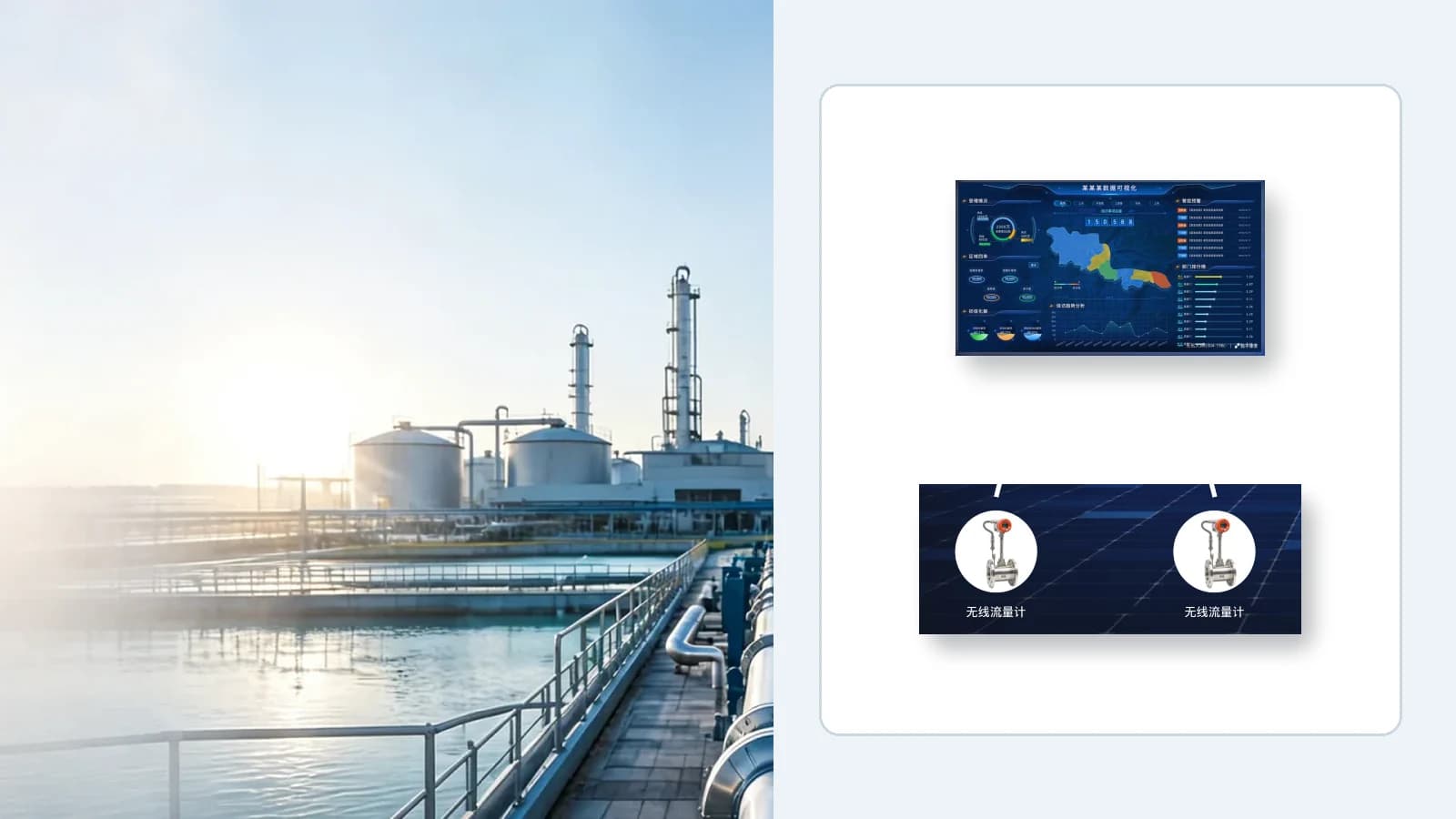
Pressure transmitters are installed on main fire lines, sprinkler branches, pump outlets, and key zones to capture both static pressure and dynamic changes after activation. Signals feed control cabinets, PLCs, or building automation platforms for low-pressure alarms, pump decisions, and pipeline records.
- Mid-rise and high-rise projects select range by head, pipe size, and pump outlet pressure, such as around 1.6 MPa in common conditions.
- Pressure variation after sprinkler activation can support booster-pump coordination and pressure recovery decisions.
- Output can match 4-20 mA, 0-10 V, or the required site-control interface.
Product Match
The P100 industrial pressure transmitter fits main line and pump outlet monitoring. The P310 high-accuracy transmitter supports zones with higher stability demands. The DP20 differential pressure sensor can monitor filters, valve groups, or specific pipeline sections.
Operational Value
Continuous pressure data helps maintenance teams identify water shortage, leakage, closed valves, and pump faults faster. For procurement and engineering teams, unified measuring points, ranges, and output interfaces simplify acceptance, maintenance, and spare-part replacement.