
How to Select a Pressure Sensor for Industrial Equipment
Learn how to select a pressure sensor for industrial equipment by reviewing media, range, accuracy, output, connection, environment, and documentation requirements.
Article

Selecting a pressure sensor for industrial equipment requires more than choosing a pressure range. The measurement task, media, accuracy, output signal, process connection, installation environment, and project documents must be reviewed together. The workflow below helps engineering and procurement teams establish a selection boundary that can be checked before an RFQ.
In brief
- Define the measurement point, media, operating pressure, peaks, and installation environment before comparing models.
- Select a range that covers normal operation and foreseeable peaks with a margin suited to the actual process.
- Match output, supply, wiring, process connection, wetted materials, and documents to the receiving system and approval process.
- Start with the YUFAVOR pressure sensor range, then use the checklist below to prepare the RFQ.
1. Define the measurement task
Start by writing down what the sensor must measure and where it will be installed. Typical tasks include monitoring pump discharge pressure, tank pressure, hydraulic pressure, filter differential pressure, or pressure in a water treatment line.
Record these points before comparing models:
- Measurement point and installation position
- Static pressure, normal operating pressure, and allowed peaks
- Pressure pulsation, start-up shock, or vacuum conditions
- Media in contact with the sensor, including concentration and temperature
- Required signal for the controller or monitoring system
- Indoor, outdoor, wet, dusty, corrosive, or high-vibration environment
If the application is still being designed, provide the operating condition as a range rather than a single nominal value. This gives the supplier enough context to review the range, connection, and material boundary.
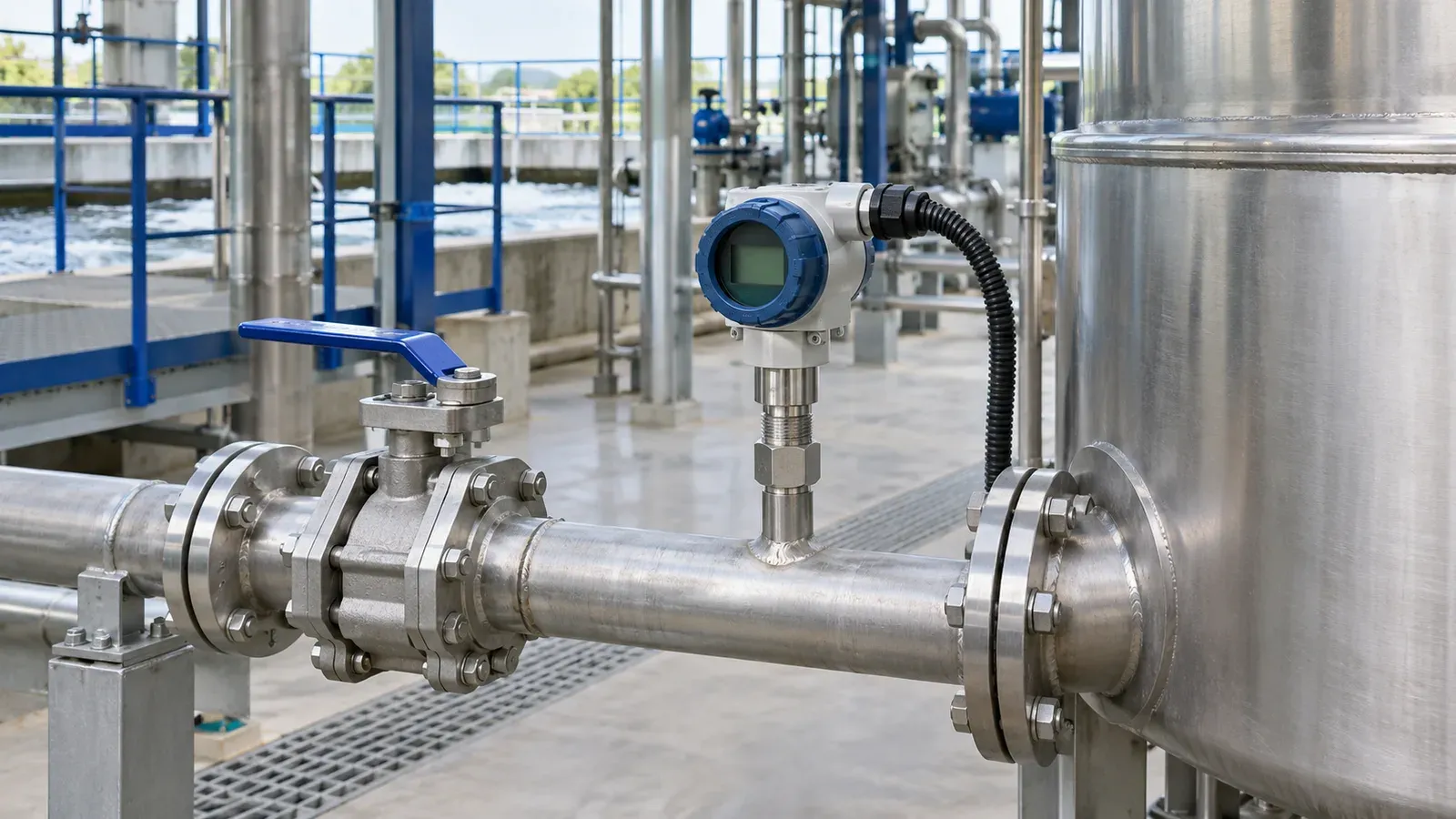
Figure 1. Example process environment for defining the measurement point, connection, media, and access space.
2. Choose the pressure range with operating margin
The selected range should cover the normal operating point while leaving a reasonable margin for start-up, shutdown, pressure fluctuation, and occasional peaks. A sensor that operates continuously at the edge of its range may provide less useful resolution and less room for unexpected conditions.
Do not select a range only from the maximum value shown on a system drawing. Confirm whether the stated value is a normal value, a design value, a test value, or a short-duration peak, and include the pressure unit in the RFQ: bar, psi, MPa, or kPa.
For range and output combinations, review the pressure transmitter product documents and record the normal operating point, peaks, and unit in the RFQ sheet.
3. Check accuracy and repeatability
Accuracy should be selected according to the purpose of the measurement. A control loop, reference measurement, laboratory comparison, and basic alarm point may require different levels of performance.
Ask the supplier to clarify how accuracy is defined, whether the specification includes non-linearity, hysteresis, and repeatability, which reference temperature and test conditions apply, and whether long-term drift or calibration information is available.
Avoid comparing percentages from different datasheets without checking how each percentage is calculated. The same number can represent different test conditions or reference spans.
4. Match the output signal to the control system
The output must be compatible with the receiving PLC, DCS, display, data logger, or gateway. Common industrial interfaces include 4–20 mA, voltage output, switching output, and digital communication options.
Confirm the signal type, supply voltage, two-wire or three-wire arrangement, load resistance, fault behavior, and connector or terminal arrangement before ordering. If the sensor will be installed in an existing panel, send the controller model or input specification with the RFQ.
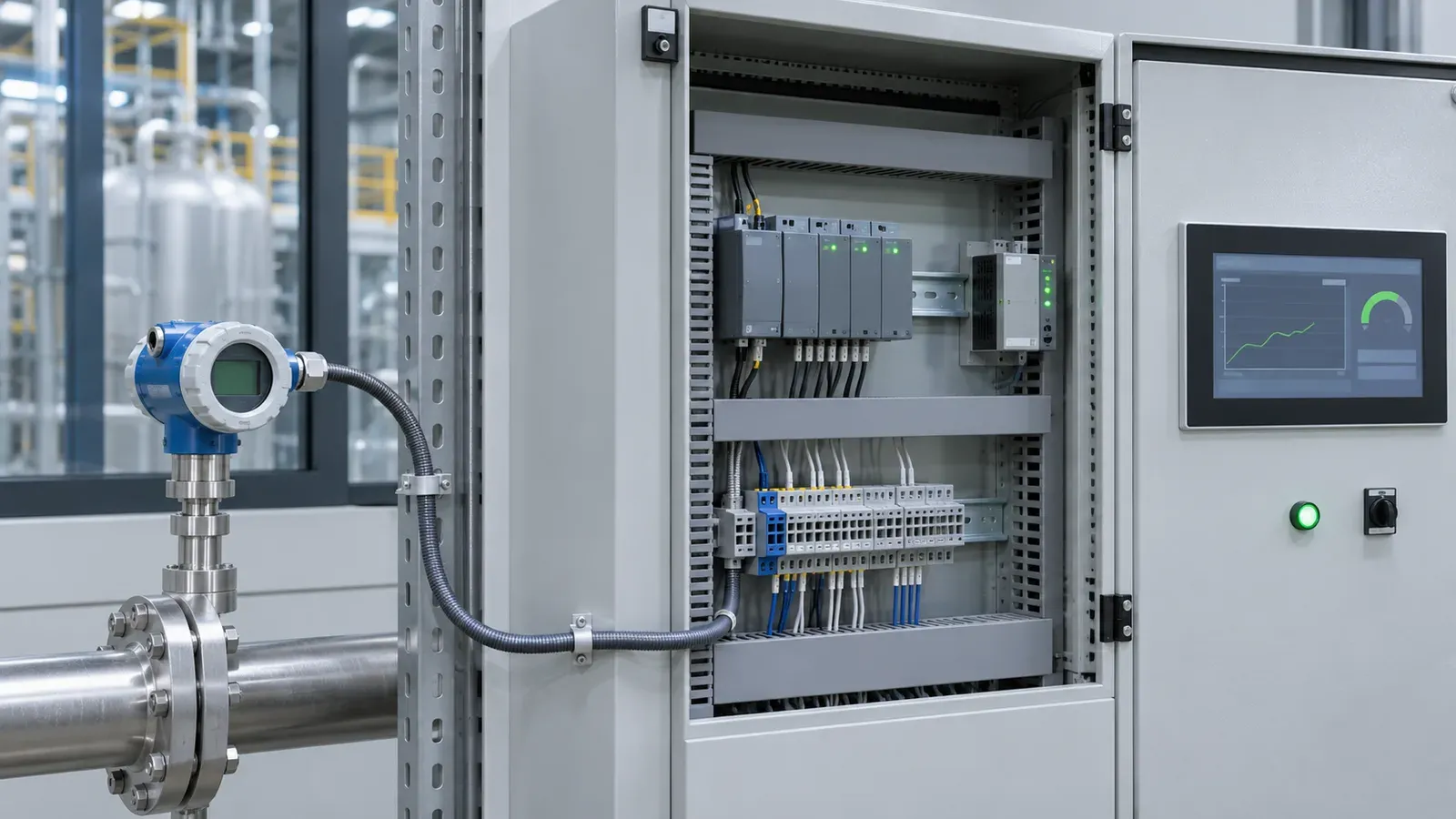
Figure 3. Typical architecture connecting a field pressure sensor to a control cabinet and monitoring system.
For wiring, pinout, and model-specific information, include the existing controller and connection details in the RFQ before approving a replacement or new installation.
5. Select the process connection and wetted materials
The process connection must fit the pipe, manifold, adapter, or equipment port. Confirm thread standard, size, sealing method, installation orientation, and available clearance.
The wetted materials must be compatible with the media and temperature. Describe the media precisely, including concentration, additives, suspended solids, cleaning chemicals, and possible condensation. “Water” may mean clean water, treated water, cooling water, wastewater, or a chemical mixture, and these conditions can lead to different material requirements.
For a water project, connect the pressure requirement to the actual water treatment pressure measurement application rather than selecting only from a generic product name.
6. Review the installation environment
Check ambient temperature, media temperature, humidity, dust, vibration, shock, electromagnetic exposure, and possible washdown. The required ingress protection, cable or connector arrangement, housing material, and mounting method should follow from this review.
For outdoor or exposed installations, include the enclosure location and expected weather conditions. For machinery, include vibration and available space. For OEM equipment, also confirm labeling, packaging, connector orientation, and repeatability across production batches. Customized equipment can be reviewed further through OEM sensor engineering services.
7. Confirm documents and approval requirements
A technically suitable product may still be unsuitable for a project if the approval package is incomplete. Before final selection, confirm whether you need a datasheet, dimensional drawing, wiring or pinout information, calibration or test record, material or conformity information, quality and traceability documents, and installation or maintenance instructions.
Use the engineering contact page to send the model, operating conditions, and document requirements for an engineering RFQ.
Pressure sensor selection checklist
- Measurement task: point, equipment, and control purpose
- Range: normal, maximum, peak, and vacuum conditions
- Accuracy: required accuracy and reference conditions
- Media: composition, temperature, and compatibility risks
- Output: 4–20 mA, voltage, switch, or digital interface
- Supply: voltage, wiring, and load requirements
- Connection: thread, flange, sealing, orientation, and clearance
- Environment: temperature, humidity, vibration, dust, and washdown
- Documents: datasheet, drawing, wiring, calibration, and quality records
FAQ
What is the most important pressure sensor specification?
The most important specification depends on the application. Range, media compatibility, output, connection, and environment should be reviewed together.
Should I choose a pressure range close to the operating pressure?
The range should cover the normal operating condition and foreseeable peaks. Confirm the recommended margin with the supplier for the actual application.
Can I replace a pressure sensor with the same output signal?
Not automatically. The range, supply, wiring, connection, materials, accuracy, and mechanical dimensions must also be compatible.
What information should I send for an RFQ?
Send media, range, accuracy, output, supply, process connection, environment, quantity, target date, and any required documents.
Request an engineering review
Send the operating conditions, quantity, and required documents through the engineering contact page. The engineering team can review the selection boundary and identify the appropriate product and document path.