Pipeline Pressure Testing and Sensor Placement
Pipeline pressure testing verifies welding, sealing, valves, and sectional pressure capacity. Pressure sensors record pressurization, holding, and depressurization changes so engineering teams can judge leakage and structural risk.
Engineering / Measurement Challenge
After welding, sealing, and valve isolation, pipelines are filled or pressurized for testing. The system records pressurization, holding time, and pressure drop to judge sealing and pressure capacity.
Sensor Placement
Pressure sensors are placed at section starts, ends, branches, elevation-change points, and key valves. Multi-point data helps distinguish overall pressure loss, local leakage, and valve-isolation faults.
- Start-point measurement confirms input pressure.
- End-point measurement judges line loss and pressure holding.
- Branch-point measurement helps locate local abnormalities.
Product Match
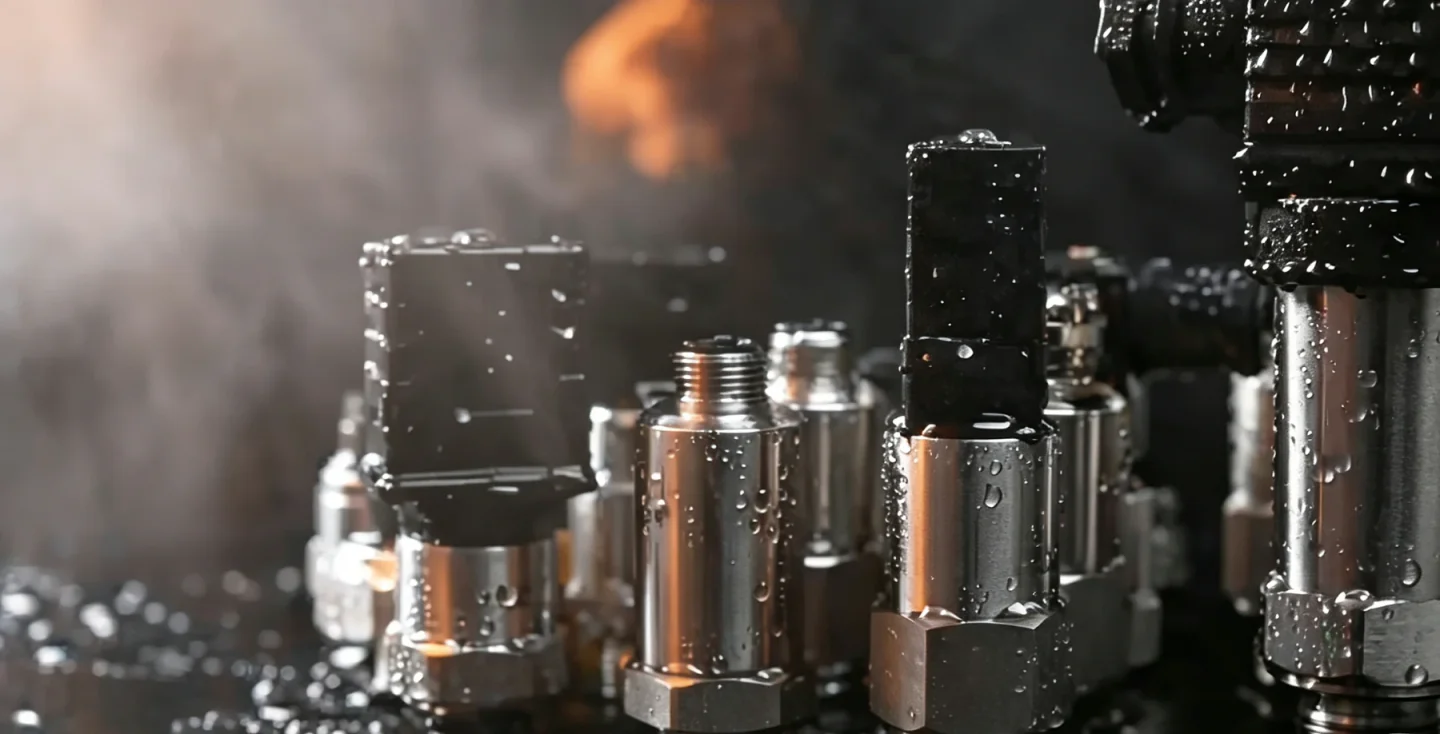
The P100 and P310 fit pressure recording during tests. The PS30 pressure switch can confirm set-pressure status and support protection control.
Engineering Value
Digital pressure records move testing from manual gauge reading to traceable data, supporting project acceptance, fault location, and maintenance records.