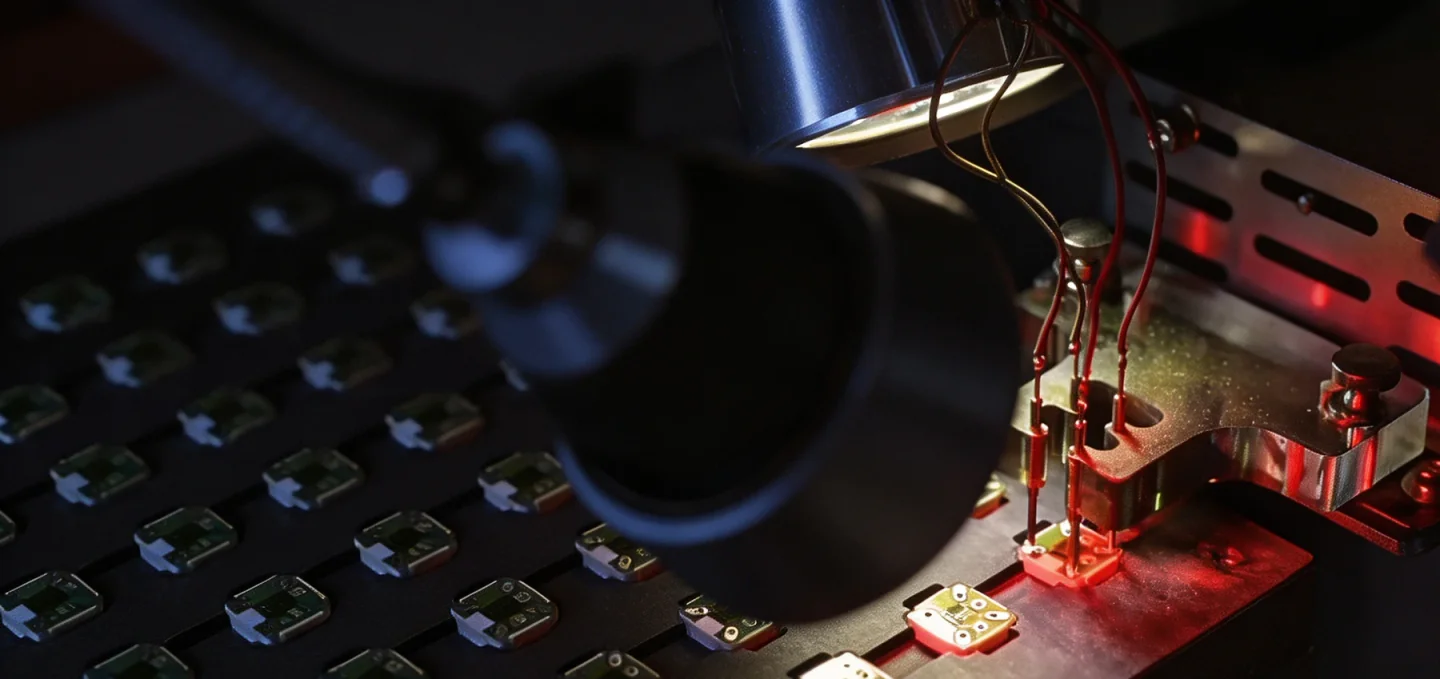
Pressure Transmitters in Automotive Systems
Automotive pressure detection covers intake, fuel vapor, brake assist, exhaust aftertreatment, and hydraulic control. Pressure sensors translate media status into signals for efficiency, emissions, and safety control.
Application Overview
In engine and vehicle control, pressure signals are used for intake manifold pressure, fuel-vapor leak detection, brake-booster vacuum, DPF differential pressure, and some hydraulic actuator status checks.
Engineering Requirements
Automotive use places higher demands on temperature resistance, vibration tolerance, response speed, long-term drift, and EMC. Mounting also needs to fit compact spaces, harness connections, and consistent assembly.
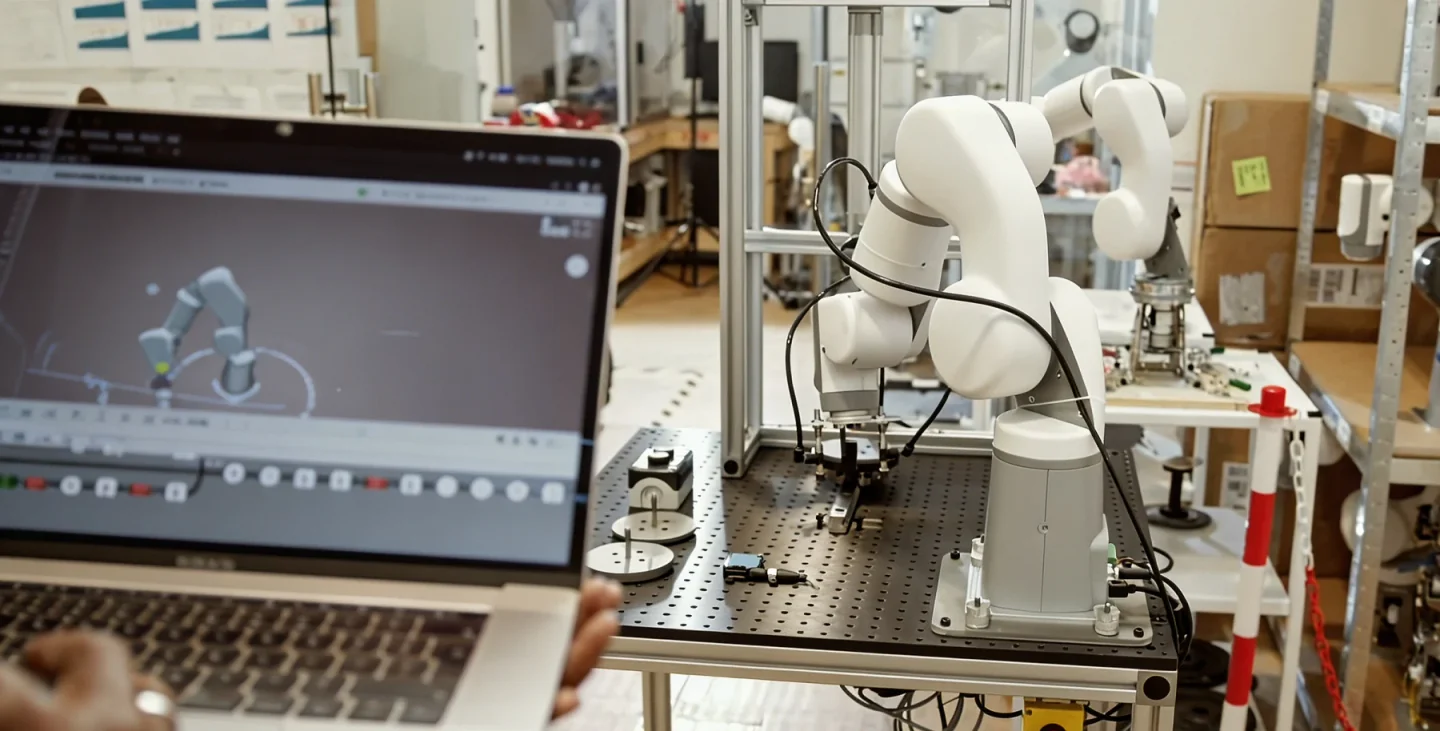
- Intake pressure supports load estimation and combustion control.
- Differential pressure supports filter status and aftertreatment efficiency checks.
- Vacuum pressure supports brake-assist status recognition.
Product Match
The DP10 and DP20 differential pressure sensors fit pressure-difference monitoring. The P100 industrial pressure transmitter suits test benches, tooling equipment, and off-road vehicle pressure detection.
Project Value
A clear pressure-sensing scheme helps customers turn test, validation, and production needs into executable sensor specifications, reducing interface iterations and prototype tuning time.